

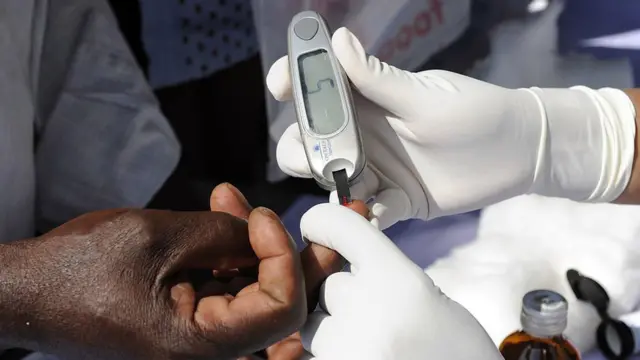
The Ministry of Health Uganda has warned that unmanaged stress and unhealthy lifestyle choices are accelerating Uganda’s growing burden of non-communicable diseases (NCDs), calling for urgent investment in mental health awareness and preventive self-care practices.
Speaking during a mental health self-care engagement hosted by the ministry, senior health officials said the country is witnessing a steady rise in conditions such as hypertension, diabetes and cardiovascular disease — trends increasingly linked to psychological distress and modern lifestyle pressures.
The Commissioner for Non-Communicable Diseases, Dr Charles Okia, said that while Uganda has made progress in expanding access to healthcare services, prevention remains inadequate, particularly in addressing mental health as a driver of physical illness.
He noted that many patients present with advanced chronic conditions that could have been prevented through early lifestyle changes and stress management interventions.
Health experts at the meeting emphasized that mental health is not merely the absence of illness but a state of well-being that enables individuals to cope with daily stresses, remain productive and contribute meaningfully to their communities.
The Assistant Commissioner in charge of Mental Health, Dr Hafsa, explained that chronic stress triggers prolonged release of cortisol — a hormone that, when persistently elevated, disrupts body systems and increases vulnerability to NCDs and other long-term complications.
“Stress becomes dangerous when it is constant and unmanaged. It affects blood pressure, blood sugar regulation and overall immunity,” she said, adding that psychological distress is increasingly being recorded across different age groups.
Officials attributed part of the rising NCD prevalence to sedentary lifestyles, poor nutrition, alcohol misuse and tobacco consumption — behaviours often adopted as coping mechanisms for stress.
The ministry also highlighted the influence of early childhood experiences on adult health outcomes, warning that exposure to violence, neglect or prolonged instability can shape long-term mental health patterns and increase susceptibility to chronic illness later in life.
Participants at the engagement cited financial strain, workplace pressure and family breakdown as major contributors to mental stress.
In response, health experts advised that self-care should include regular physical activity, balanced diets, adequate sleep, mindfulness practices, social support networks and structured time management.
The discussion further underscored the need to strengthen mental health systems in schools and workplaces, as well as improve psychosocial support for Ugandans returning from labour migration, particularly from the Middle East, where many face trauma and reintegration challenges.
Officials acknowledged that access to mental health services remains limited in many parts of the country and called for broader integration of mental health screening and counselling into primary healthcare services.
The ministry maintains that tackling NCDs will require a shift in national focus from treatment to prevention — with mental health positioned as a central pillar of Uganda’s public health strategy.
